
0

March LingoLab Featured Language Post: ¡Español!
vor 6 JahrenThank you so much to all the teachers that submitted posts for this month's featured language, Spanish--I urge you all to post your submissions as well, so that the community can benefit from everyone's knowledge and hard work!
However, our winning selection this month is by.......
🎆 JUNNIOR MILLAN 🎆
You can book your very own Spanish lesson with Junnior right here: https://www.verbling.com/teachers/aa
And here you have his extremely interesting post on the Yanomami people of Venezuela and Brazil...
Celebración de la Pascua de los Indígenas Nativos Yanomami - Canaima, Venezuela
Orígenes: Grupos nativos Indígenas
Los indígenas de América son los pobladores originarios de América, llamados también aborígenes americanos, nativos americanos, o en algunos países indios americanos, de manera despectiva. En virtud del error de Cristóbal Colón (colonizador español), quien creía que estaban en la India, a los nativos se les llamó indios.
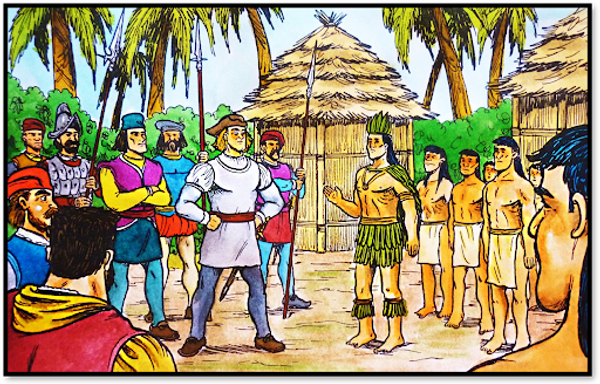
Pic #1. First contact between native Indigenous and Spanish colonizers.
Descubrimiento de América y primeros nativos
Cristóbal Colón, en representación de los Reyes de España, realizó cuatro famosos viajes desde Europa a América en 1492, 1493, 1498 y 1502. En el primero de ellos llegó a América el 12 de octubre de 1492, a una isla de las Bahamas llamada Guanahani.
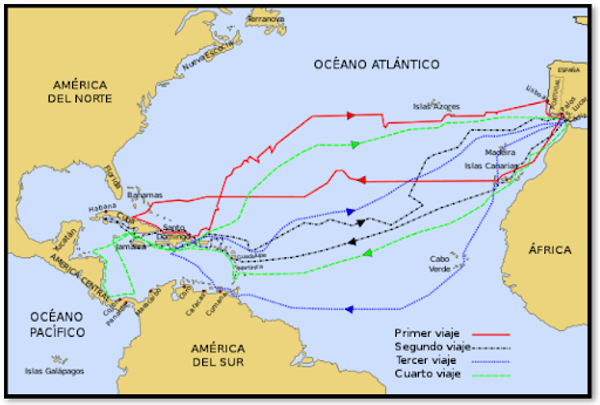
Pic #2. Cristóbal Colón (Christopher Columbus) and the Spanish colonizers made four trips to explore new lands. On the third trip, he discovered Venezuela and called it "Little Venice" because of its resemblance to the European city.
¿Quiénes son los Yanomami?
Los yanomami son una etnia indígena americana que habitan principalmente en el estado Amazonas de Venezuela y en los estados brasileños de Amazonas y Roraima. También destacan por ser uno de los grupos étnicos de menor estatura promedio en el mundo.
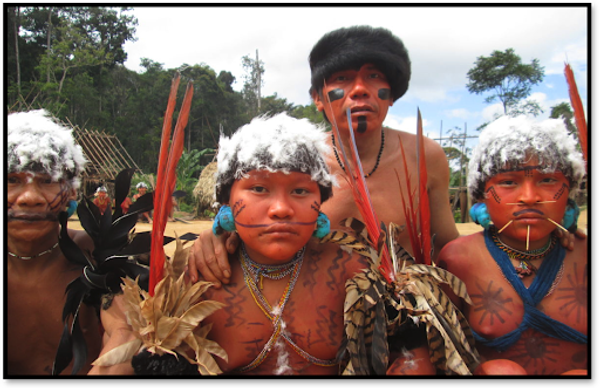
Pic #3. The Yanomami are an American indigenous ethnic group who live mainly in the Amazonas state of Venezuela and in the Brazilian states of Amazonas and Roraima.
Celebración de la pascua Yanomami: Leyenda y tradiciones
El mundo espiritual es una parte fundamental dentro de la vida de la cultura de los Yanomami. Cada criatura, piedra, árbol y montaña tienen un espíritu.
La celebración de la pascua de los nativos Yanomami, tiene lugar los últimos 5 días del mes de marzo y coincide con el cambio de la fase de la luna a luna llena. Esta celebración resalta los orígenes del sol y la luna en la época de los primeros hombres. Los nativos Yanomami celebran el día, en el que Makunaima, primera madre nativa, vio nacer el sol y la luna, en frente de la cascada Ángel.
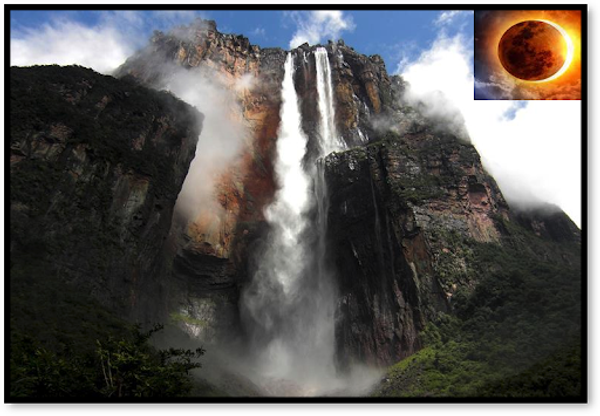
Pic #4. The spiritual world is a fundamental part of the life of the Yanomami culture. Every creature, stone, tree, and mountain has a spirit. The Pascua celebration of the Yanomami natives, takes place on the last 5 days of the month of March and coincides with the change of the phase from the moon to the full moon. This celebration highlights the origins of the sun and the moon in the time of the first men. The Yanomami natives celebrate the day when Makunaima, the first native mother, saw the sun and the moonrise, in front of the Angel waterfall. (Kerepakupai Merú o Salto Ángel, National park Canaima, Venezuela; the highest waterfall in the world).
Dice la Leyenda que Makunaima estaba embarazada de la luna y el sol, y estos al nacer una noche de pascua, Makunaima vio una luz muy brillante, producto de la unión de ambos (el sol y la luna en su nacimiento), lo que se conoce el día de hoy como eclipse.
El sol y la luna ahora son sus guardianes y máximos dioses, por lo que en la actualidad se conoce a los Yanomami nativos como: “Los hijos de la Luna y el Sol”.
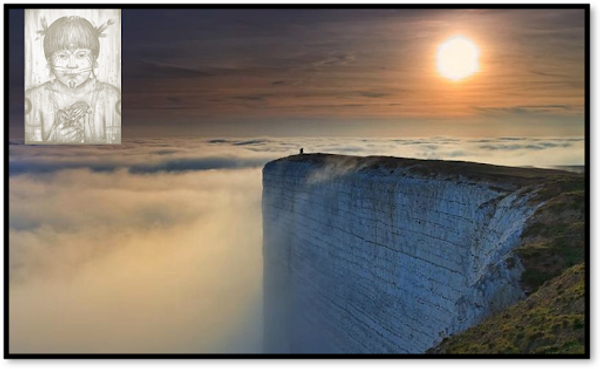
Pic #5. Legend says that Makunaima was pregnant with the moon and the sun, and when they were born one Easter night, Makunaima saw a very bright light, product of the union of both (the sun and the moon at their birth), which is known today as an eclipse. The sun and the moon are now their guardians and their highest gods, which is why today the native Yanomami are known as: "The children of the Moon and the Sun."
Todos los años, los Yanomami celebran este día, invocado los espíritus o xapiripë, que representa la figura de Makunaima y miles de estrellas.
Celebran con hermosos decorados de plumas de loro (algunas utilizadas como declaraciones de amor), collares de caracoles y pinturas de colores rojo y blanco de algunas plantas y raíces como el achiote.
Every year, the Yanomami celebrate this day invoked by the spirits or xapiripë, which represents the figure of Makunaima and thousands of stars. They celebrate with beautiful decorations of parrot feathers (some used as declarations of love), snail necklaces and red and white paintings of some plants and roots such as annatto.
Bailan en grupos de 15 personas en círculos, donde giran en ambas direcciones y cantan el himno de la creación, cuya frase principal es: “El sol y la luna volverán a estar juntos, y esa luz especial reflejará grandemente la cascada Ángel y los Tepuyes Roraima y Kokenan: Lugar donde vivía Makunaima".
They dance in groups of 15 people in circles, where they rotate in both directions and sing the hymn of creation, the main phrase is: “The sun and the moon will be together again, and that special light will reflect greatly Angel Falls and the Roraima and Kokenan Tepuys: Place where Makunaima lived". (Canaima National Park, Venezuela)
Mensaje Final
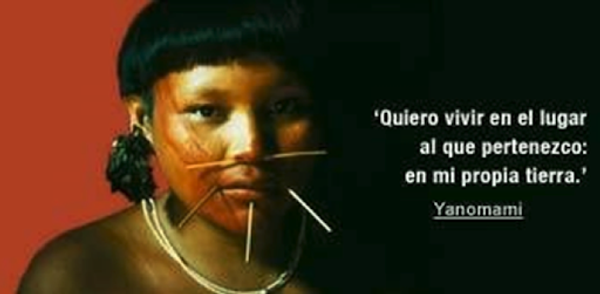
En la búsqueda de las cosas materiales y la riqueza, el hombre ha destruido y cambiado el habita natural de estos nativos indígenas. En Venezuela la minería extensiva de metales valiosos como el oro, esta ocasionado que estos grupos que ya son minoría, sean apartados de sus hogares y de su identidad. Alcemos nuestra voz, defendamos siempre nuestros orígenes.
In the pursuit of material things and wealth, man has destroyed and changed the natural habitat of these indigenous natives. In Venezuela, the extensive mining of valuable metals such as gold is causing that the Natives Yanomami have been forced and moved from their homes and their identity. Let us raise our voices, let us always defend our origins.
To learn more about the Yanomami, please see here:


